
What Type of Roof Is Least Likely to Leak?
A roof’s ability to keep a home dry depends on more than the material covering it. Proper installation, flashing, drainage, ventilation, maintenance, roof design, and the condition of the underlying roofing system all play important roles in preventing leaks.
So, what type of roof is least likely to leak? There is no single roofing material that guarantees a leak-free roof. However, some roofing systems can provide excellent protection from moisture when they are properly designed, installed, and maintained.
For homeowners researching residential roofing in Solano County, CA, understanding how different roof types handle water can help when deciding whether to repair an existing roof or invest in a new one.
Does the Roofing Material Determine Whether a Roof Leaks?
The roofing material is certainly an important factor, but it is only one part of the equation. Even a durable roofing material can develop leaks if it is improperly installed or if critical areas such as flashing, valleys, vents, skylights, and roof edges are not properly addressed.
Roof age and maintenance also matter. Small areas of damage can allow moisture to enter and potentially cause more extensive problems if they are not addressed promptly.
For this reason, homeowners should consider the entire roofing system rather than focusing solely on which material is considered the most waterproof.
Asphalt Shingle Roofing
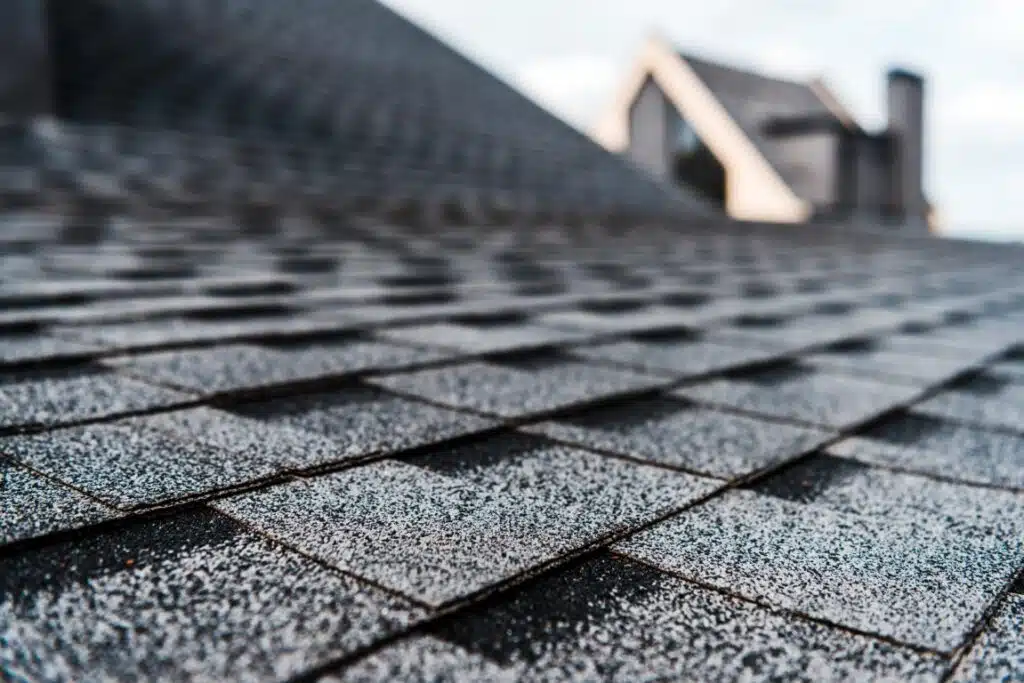
Asphalt shingle roofing is a common residential roofing choice and can provide dependable protection when properly installed and maintained. An asphalt roof uses overlapping shingles designed to direct water down the roof and toward the appropriate drainage areas.
However, shingles can become damaged, loosened, or missing over time. Wind, weather exposure, falling debris, and normal aging can all contribute to deterioration.
When problems are limited to certain areas, shingle roof repair may be appropriate. Prompt repairs can help prevent small openings or damaged areas from becoming larger sources of water intrusion.
The condition of the flashing and other components surrounding penetrations is also important. A well-maintained asphalt roof can provide reliable protection, but regular inspections remain an important part of preventing leaks.
Tile Roofing
Tile roofing is another option known for its durability and long-term use on residential properties. Tile systems are designed to shed water while protecting the underlying structure from the elements.
One important consideration is that the tile itself is not the only waterproofing component. Underlayment beneath the tile plays an important role in protecting the home from moisture.
Individual tiles can crack or become displaced, potentially exposing areas of the underlying system. Tile roof repair can address damaged or displaced tiles and other localized concerns.
Because tile can be damaged by improper foot traffic, repairs and inspections should be performed carefully. Proper maintenance can help preserve the performance of a tile roofing system.
For a broader look at roofing materials and their characteristics, homeowners can review our Complete Guide to Roof Types for Solano County Homes.
Metal Roofing
Metal roofing is another roofing system that can provide strong protection against the elements when properly installed. Metal panels are designed to direct water toward the roof’s drainage system, and many metal roofing systems are available with concealed or exposed fastening systems depending on the design.
Proper metal roof installation is especially important when considering leak prevention. Fasteners, seams, flashing, penetrations, and transitions must be properly installed to help keep water from entering the structure.
Over time, metal roofing can still experience issues. Fasteners may deteriorate, panels can become damaged, and flashing or sealants may require attention. Metal roof repair can address these concerns and help maintain the integrity of the system.
Metal roofing can be a strong option for homeowners who prioritize durability, but proper installation and maintenance remain essential.
What About Foam and Shake Roofing?
Foam and shake roofing represent additional roofing options that may be appropriate for certain residential properties. Their performance against moisture depends on the specific system, installation practices, roof design, and ongoing maintenance.
As with asphalt, tile, and metal roofing, proper detailing around roof penetrations, edges, transitions, and drainage areas is important. Homeowners should evaluate the complete roofing system rather than assuming that one material is automatically less likely to leak.

What Makes a Roof Less Likely to Leak?
Regardless of the roofing material, several factors can contribute to better moisture protection:
- Proper professional installation
- Correct flashing around penetrations and transitions
- Adequate roof drainage
- Properly installed underlayment
- Appropriate roof slope and design
- Regular inspections and maintenance
- Prompt attention to damaged roofing materials
- Proper ventilation and moisture management
These details can make a significant difference in how a roof performs over time.
Choosing Residential Roofing in Solano County
When comparing residential roofing options, homeowners should look beyond the question of which material is least likely to leak. A better approach is to consider how well the entire roofing system is designed and installed for the specific home.
Asphalt shingle roofing, tile roofing, metal roofing, and foam and shake roofing can all provide effective protection when properly selected, installed, and maintained. If your existing roof has developed a leak, the appropriate solution may involve shingle roof repair, tile roof repair, metal roof repair, or a larger roofing project depending on the condition of the system.
California Premier Roofing can help homeowners in Solano County, CA evaluate their roofing needs and determine the appropriate next steps.
Call 707-209-9390 to discuss your project, or visit the California Premier Roofing contact page to get started.