
What is the proper order of roof installation?
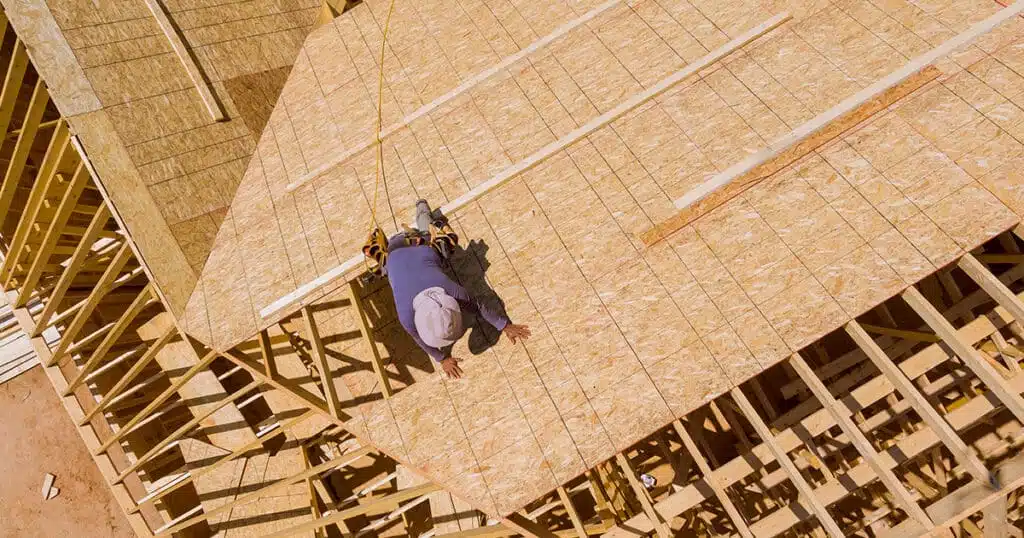
Installing a new roof is one of the most important projects homeowners undertake to protect their property and maintain long-term value. Whether you’re replacing an aging roof or building a home from the ground up, understanding the proper order of roof installation helps you follow the process and ensure your contractor is completing each step correctly.
Professional installation is key to maximizing the lifespan of your roof. From preparing the structure to sealing the final shingles or tiles, every phase must be completed with precision and care. Here’s a breakdown of the correct order of operations for a successful roof installation and what homeowners should expect during the process.
Step 1: Roof Inspection and Preparation
Before any work begins, residential roofers near me start with a detailed inspection. This assessment determines the condition of the existing roof, decking, and supporting structures. The contractor checks for signs of water damage, rot, or weakened areas that need repair before installing new materials.
Once the inspection is complete, preparation begins. The old roofing material—whether asphalt shingles, tiles, or metal panels—is carefully removed. This tear-off process ensures a clean surface for the new installation. After removal, the roof deck is inspected again for any hidden damage. Repairs or replacements are made as needed to provide a solid foundation for the upcoming layers.
Proper preparation prevents future leaks and extends the life of your roof. California Premier Roofing emphasizes thorough pre-installation inspections to guarantee structural integrity before proceeding with a new roof.
Step 2: Installing the Underlayment and Flashing
The underlayment is one of the most crucial components of a roofing system. Acting as a moisture barrier, it protects the deck from water infiltration caused by rain, wind, or ice. Most roofers use a synthetic or felt underlayment, depending on the roofing material and local building codes.
Next comes flashing installation. Flashing is applied around chimneys, vents, valleys, and other vulnerable areas to redirect water away from seams and prevent leaks. Correctly installed flashing is vital for keeping your roof watertight.
This step also includes adding drip edges along the eaves and rakes, which help channel water into gutters and prevent moisture from seeping under the roof edge. Attention to detail at this stage ensures long-lasting weather resistance.
Step 3: Adding the Starter Strip
Before laying down shingles or tiles, roofers install a starter strip along the edges of the roof. This strip serves as a secure base for the first layer of roofing material, reducing the risk of wind damage and water penetration.
A properly placed starter course ensures a clean, straight foundation for the entire roofing surface. It also enhances the roof’s appearance by creating even lines and helping the layers align correctly.
Step 4: Installing the Main Roofing Material
This is where the roof begins to take shape. Depending on the material you’ve chosen, the installation method varies slightly—but the process always follows a specific sequence to ensure consistency and performance.
Asphalt Shingle Roofers
For asphalt shingles, roofers begin at the bottom edge and work upward, overlapping each row to create a watertight seal. Asphalt shingle roofers use nails or staples to secure the shingles according to manufacturer specifications. Proper alignment is critical for preventing leaks and achieving a polished finish.
Tile Roofers
Tile roofers handle materials such as clay or concrete tiles, which require additional structural support due to their weight. The tiles are laid in overlapping rows, typically starting from the roof’s lower edge. Special attention is given to ridge caps and edges to maintain waterproofing and symmetry.
Metal Roof Installers
Metal roofing panels are installed from one end of the roof to the other, using fasteners and sealants to create tight seams. Metal roof installers often use standing seam or corrugated systems for enhanced durability and weather resistance. This type of roofing provides excellent energy efficiency and can last several decades with minimal maintenance.
Solar Roofer Coordination
For homeowners interested in renewable energy, integrating solar panels during roof replacement is an ideal solution. A solar roofer works in coordination with the roofing contractor to ensure the panels and roof system function seamlessly together. Installing solar during roof installation prevents the need for future modifications and ensures a longer lifespan for both systems.
Step 5: Installing Ridge Caps and Ventilation
Once the main roofing material is in place, roofers install ridge caps along the top of the roof to provide additional protection and a finished appearance. Ridge caps cover the meeting point of two roof slopes, sealing the ridge while allowing ventilation to occur underneath.
Proper roof ventilation is essential for regulating attic temperature, preventing moisture buildup, and reducing energy costs. It also helps extend the life of your roof by reducing heat and condensation inside the attic.
Step 6: Final Inspection and Cleanup
After installation is complete, the roofing team conducts a thorough final inspection. This step ensures that every component—from flashing and vents to shingles or tiles—is securely installed and watertight.
The job isn’t finished until your property is cleaned and free of debris. A reputable contractor will remove old materials, stray nails, and equipment from your yard, leaving your home clean and safe. California Premier Roofing prides itself on leaving every job site spotless and ready for homeowners to enjoy their new roof immediately.
Understanding Roof Replacement Cost
The overall roof replacement cost depends on factors like size, material, labor, and structural complexity. Asphalt shingles are typically the most affordable, while tile and metal roofs have higher upfront costs but longer lifespans. The investment in quality materials and expert installation ensures better protection, lower maintenance, and increased property value over time.
Homeowners searching for roof replacement near me should always request detailed, written estimates that include material, labor, and warranty information. Transparent communication from your contractor helps you understand every part of the process and ensures there are no unexpected costs.
Your Guide To Roof Installation And Replacement In Vallejo and Solano
If you’re planning a roof replacement or want to understand more about the process, visit Your Guide To Roof Installation And Replacement In Vallejo and Solano. This resource provides valuable insights into the stages of installation, material choices, and maintenance tips to help you make informed decisions for your home.
The Importance of Professional Installation
Every stage of a roof installation must be performed with precision. Skipping steps or cutting corners can lead to leaks, premature wear, and costly repairs. That’s why it’s essential to hire licensed and experienced roofers who follow the proper order of installation and adhere to local building standards.
California Premier Roofing’s team of professional shingle roofers, tile roofers, solar specialists, and metal roof installers ensures every roof is built to last. Their dedication to quality craftsmanship and customer satisfaction has made them a trusted choice for homeowners throughout Vallejo, Solano County, and surrounding communities.
Call California Premier Roofing Today
Whether you’re ready for a new roof or want to learn more about the installation process, California Premier Roofing is here to help. Their experienced team provides transparent pricing, reliable service, and expert craftsmanship for every project. Call (707) 209-9390 today to schedule your consultation and get started with professionals who know the proper order for a perfect roof installation.