What Is the Most Common Type of Commercial Roofing?
Commercial roofing systems are designed to protect businesses, warehouses, office buildings, industrial facilities, and retail spaces from weather damage while supporting long-term structural performance. Because commercial buildings often have flat or low-slope roofs, they require specialized roofing materials and installation methods that differ from residential roofing systems.
When property owners search for “commercial roofing contractors near me” or “commercial roofing company near me,” one of the most common questions they ask is what type of commercial roofing system is most commonly used. While several roofing systems are popular in commercial construction, single-ply membrane roofing systems — particularly TPO roofing — are among the most widely used options today.
Understanding the different types of commercial roofing and why certain systems are preferred can help property owners make informed decisions when planning new roof installations or commercial roof repairs.
 Why TPO Roofing Is Common in Commercial Roofing
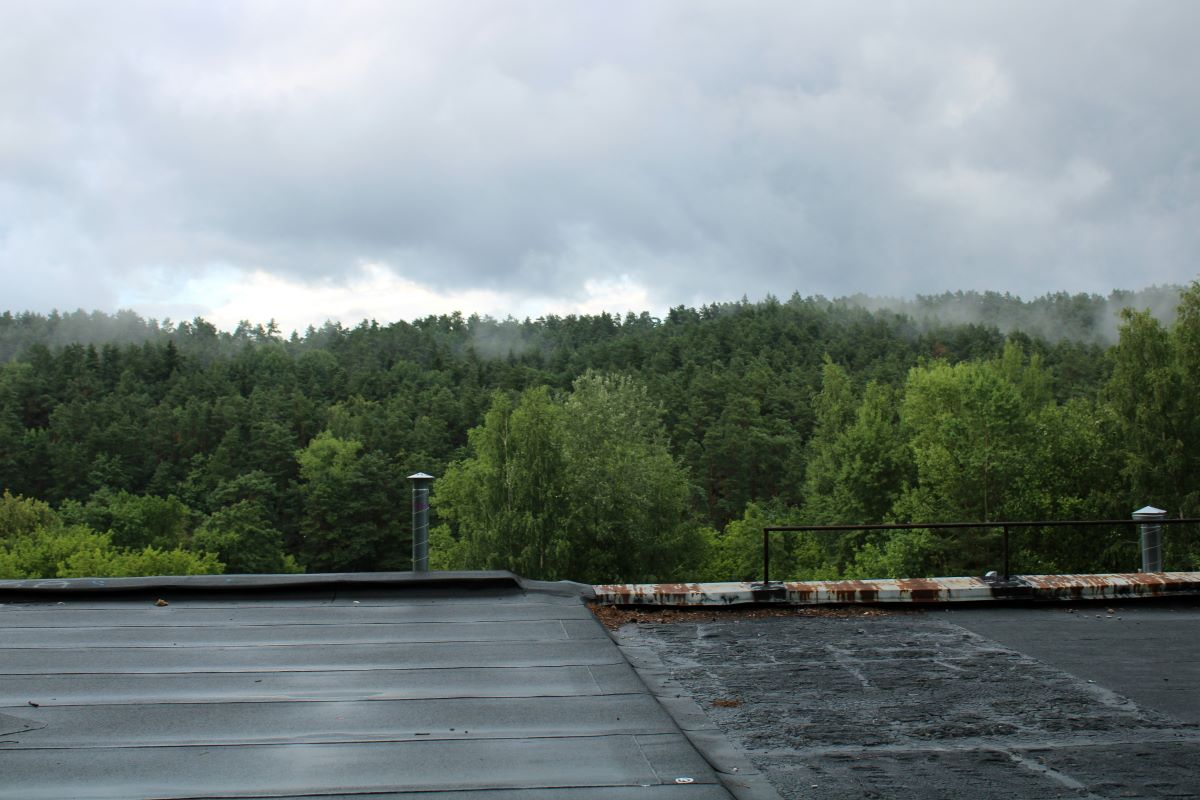
Thermoplastic Polyolefin, commonly known as TPO roofing, has become one of the most popular commercial roofing systems in the industry. TPO is a single-ply roofing membrane designed for flat and low-slope commercial roofs.
Many commercial roofers near me recommend TPO because it offers durability, energy efficiency, and cost-effectiveness. The reflective surface of TPO roofing helps reduce heat absorption, which may improve building energy efficiency and lower cooling costs during warmer months.
TPO roofing is also valued for its resistance to UV rays, punctures, chemical exposure, and weather-related wear. This makes it a practical choice for many commercial properties in areas with changing weather conditions.
Professional commercial roofing services often install TPO roofing on office buildings, retail centers, warehouses, restaurants, and industrial facilities because of its versatility and long-term performance potential.
Other Common Types of Commercial Roofing
Although TPO roofing is extremely popular, several other commercial roofing systems are commonly used depending on the building type, climate, and project requirements.
EPDM Roofing
EPDM roofing is another widely used commercial roofing material. This synthetic rubber roofing membrane is known for its flexibility and durability. EPDM roofing is commonly installed on flat roofs and performs well in a variety of weather conditions.
Commercial roofing contractors near me may recommend EPDM roofing for buildings that need strong resistance to temperature fluctuations and weather exposure. EPDM systems are also known for their relatively simple installation process and repair flexibility.
PVC Roofing
PVC roofing is another single-ply membrane roofing system often used for commercial buildings. PVC roofing is highly resistant to chemicals, grease, moisture, and fire exposure, making it a popular choice for restaurants, manufacturing facilities, and industrial properties.
Commercial roofers Vallejo businesses rely on may recommend PVC roofing for buildings where chemical resistance and waterproofing performance are especially important.
Modified Bitumen Roofing
Modified bitumen roofing systems are designed for low-slope commercial roofs and are known for their durability and layered protection. These systems use reinforced asphalt membranes that provide strong waterproofing capabilities.
Commercial roofing contractor Vallejo professionals often install modified bitumen systems on buildings that require durable roofing solutions capable of handling foot traffic and changing weather conditions.
Metal Commercial Roofing
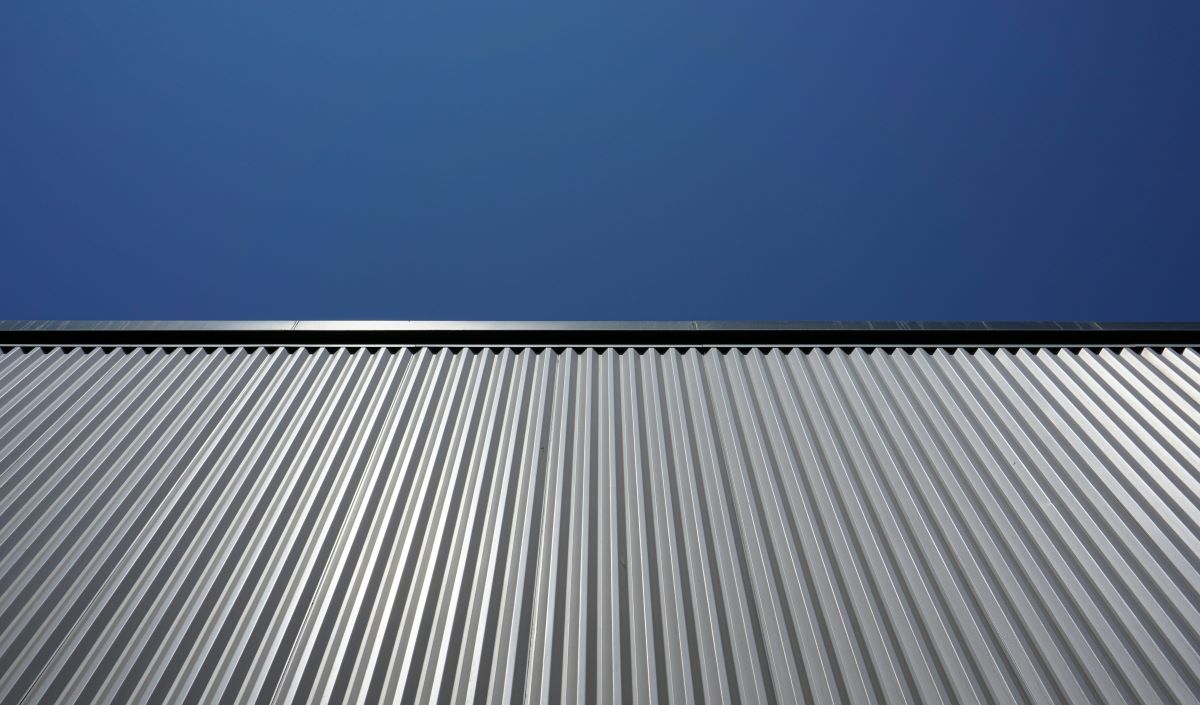
Metal roofing systems are also commonly used for commercial buildings, particularly industrial facilities and large warehouses. Metal roofs are valued for their long lifespan, durability, and low maintenance requirements.
Commercial roofing services involving metal roofing may include installation, coating applications, leak repairs, and preventative maintenance. Metal roofing can also contribute to energy efficiency by reflecting sunlight and reducing heat buildup.
 Factors That Influence Commercial Roofing Choices
The most appropriate commercial roofing system depends on several factors. Commercial roofing professionals evaluate the building’s structure, roof slope, drainage system, insulation requirements, climate conditions, and budget before recommending roofing materials.
Top roofing contractors understand that every commercial property has different needs. A roofing system that works well for one business may not be the ideal solution for another.
For example, restaurants or manufacturing facilities may benefit from PVC roofing because of its chemical resistance, while warehouses may prioritize energy-efficient TPO roofing systems. Buildings with high rooftop foot traffic may require more durable roofing materials capable of handling regular maintenance access.
Commercial roofers near me also consider the long-term maintenance needs of the roofing system. Some materials require more frequent inspections and commercial roof repairs than others.
Importance of Professional Installation
Even the best commercial roofing materials can fail prematurely if they are not installed correctly. That is why hiring experienced commercial roofing contractors near me is essential for protecting the performance and lifespan of a commercial roof.
Professional roofing teams understand proper installation techniques, drainage requirements, flashing details, and manufacturer specifications. Proper installation helps reduce the risk of leaks, structural damage, and costly repairs in the future.
Experienced commercial roofing company near me professionals also help property owners understand warranty coverage, maintenance recommendations, and expected roof lifespan.
Businesses searching for commercial roof repair near me often discover that many roofing problems are related to poor installation practices or deferred maintenance. Choosing experienced roofing professionals from the beginning can help prevent many of these issues.
Maintaining Commercial Roofing Systems
Routine maintenance is critical for all types of commercial roofing systems. Commercial roofs are constantly exposed to sunlight, rain, wind, debris, and temperature fluctuations that gradually wear down roofing materials over time.
Commercial roofing services often include inspections, preventative maintenance, drainage cleaning, seam evaluations, and repair work designed to extend roof lifespan and reduce long-term repair costs.
Property owners can learn more about professional roofing support by reviewing What To Expect From Commercial Roofing Services Near You.
Businesses throughout the region can also benefit from the information provided in the Commercial Roofing Guide For Vallejo And Solano County, which explains commercial roofing considerations specific to local properties and climate conditions.
Choosing the Right Commercial Roofing Partner
Whether a property owner is installing a new roof or scheduling commercial roof repairs, selecting experienced roofing professionals is one of the most important decisions they can make.
Professional commercial roofing contractors provide valuable guidance when selecting roofing materials, planning maintenance, and addressing roofing concerns before they become larger issues. From TPO and EPDM systems to metal and modified bitumen roofing, experienced roofers help businesses choose roofing systems that support long-term building protection and performance.
If you are looking for dependable commercial roofing services or experienced commercial roofers Vallejo property owners trust, professional roofing support can help protect your investment and keep your building operating efficiently.
To learn more about commercial roofing options or schedule service, call 707-209-9390 or send a message through the website.