
How Old May a Roof Be Before Insurance Claims It’s Too Old?
One of the most common concerns homeowners have is whether their roof is “too old” for insurance coverage. Many insurance companies evaluate roof age when determining eligibility for coverage, renewal terms, and claim approval.
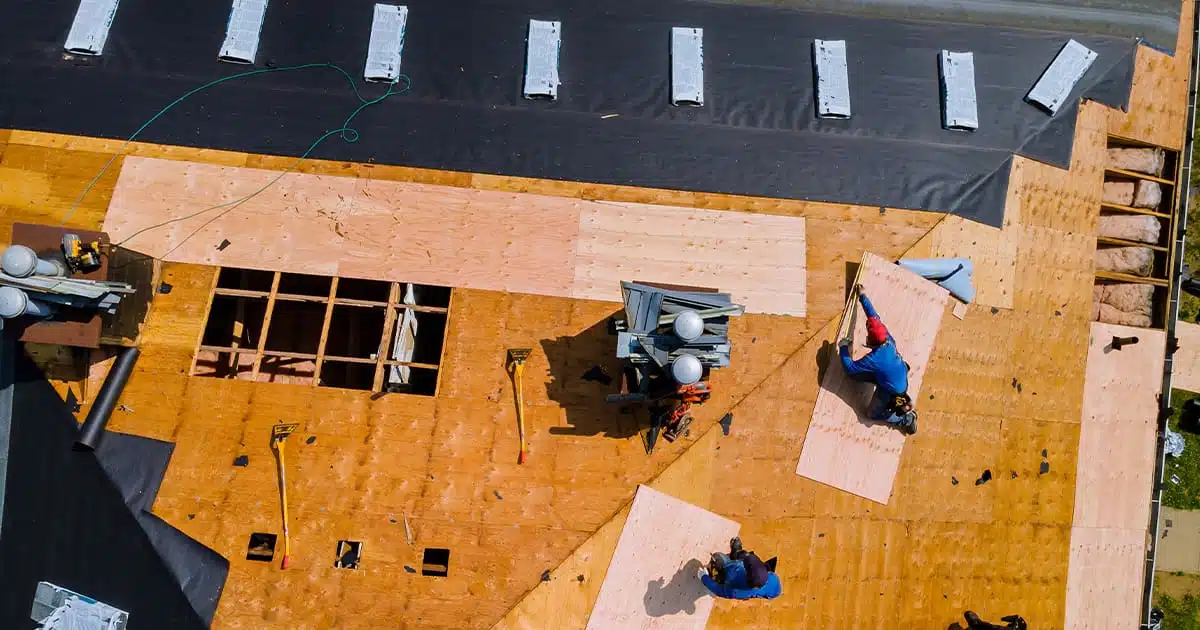
So how old may a roof be before insurance claims it’s too old? The answer varies depending on the insurer, roofing material, maintenance history, and overall condition.
While age plays a role, it is not the only factor. Proper roof maintenance, consistent roof inspection, and documented preventative roof maintenance can significantly influence how insurers evaluate your roof.
Typical Age Thresholds Insurance Companies Consider
In many cases, insurance companies begin scrutinizing roofs more closely once they reach 15 to 20 years of age. Asphalt shingle roofs often fall within this category. Some insurers may limit full replacement coverage for roofs older than 20 years, while others may require inspection before renewal.
For tile or metal roofs, age thresholds may extend further because these materials generally last longer. However, even durable materials require residential roof maintenance to remain eligible for full coverage.
It is important to understand that insurance companies are not only concerned with age but also with condition. A well-maintained 18-year-old roof may receive better consideration than a poorly maintained 12-year-old roof.
Why Roof Condition Matters More Than Age
Insurance companies want to minimize risk. If a roof shows visible signs of deterioration—such as curling shingles, missing granules, cracked flashing, or sagging areas—insurers may argue that future roof repair needs are likely.
Routine roof inspection and annual roof maintenance help demonstrate that the roof has been properly cared for. Preventative roof maintenance reinforces flashing, secures vulnerable areas, and addresses minor issues before they escalate.
When insurers review claims for storm damage roof repair, they often examine whether the roof was already deteriorating. If damage appears related to wear and tear rather than a sudden event, coverage may be limited or denied.
This is why maintaining documentation of roof maintenance is so important.
How Insurance Companies Assess Roof Age
When determining whether a roof is too old, insurers may request:
- Installation date documentation
- Maintenance records
- Recent roof inspection reports
- Photographs of current condition
A professional roof inspection can provide detailed documentation that supports your case. If your roof is older but still in strong condition due to consistent preventative roof maintenance, an inspection report may help maintain coverage eligibility.
The Role of Annual Roof Maintenance
Annual roof maintenance is one of the most effective ways to protect both your roof and your insurance coverage. Regular service helps identify small vulnerabilities before they become major concerns.
A typical annual roof maintenance visit may include:
- Surface material evaluation
- Flashing inspection and reinforcement
- Drainage system review
- Minor shingle replacement
- Sealant checks during a roof tune up
These proactive steps reduce the likelihood of sudden roof leak repair needs and demonstrate responsible residential roof maintenance.
Roof Leak Detection and Insurance Claims
When filing a claim, insurers will often investigate the cause of damage. If a leak results from gradual deterioration, they may deny coverage. However, if roof leak detection confirms that the issue was caused by a specific storm event, coverage may apply.
Prompt roof inspection after severe weather strengthens your claim. Delayed reporting may lead insurers to argue that damage resulted from neglect rather than storm damage roof repair needs.
Consistent roof maintenance reduces confusion during claim review by establishing a clear history of upkeep.
What Happens If Your Roof Is Considered Too Old?
If an insurer determines that your roof is too old, several outcomes are possible. They may:
- Limit coverage to actual cash value rather than replacement cost
- Require roof replacement as a condition of policy renewal
- Increase premiums
- Decline to renew coverage
While this can be frustrating, proactive roof maintenance and documented residential roof maintenance may help extend eligibility.
Homeowners who follow structured care plans, such as those outlined in the Preventative Roof Maintenance Guide For Solano County Homes, are often better positioned to demonstrate responsible roof upkeep.
When Should You Schedule a Roof Inspection?
If your roof is approaching 15 to 20 years of age, scheduling a professional roof inspection is highly recommended. This evaluation can determine whether the roof remains structurally sound and whether minor roof repair can extend its lifespan.
Even if replacement is not immediately necessary, a roof tune up may strengthen vulnerable areas and reduce the likelihood of storm damage roof repair in the near future.
Regular inspection provides clarity and allows homeowners to plan ahead rather than reacting to sudden insurance requirements.
Protecting Your Roof and Your Coverage
So, how old may a roof be before insurance claims it’s too old? For many asphalt shingle roofs, insurers begin raising concerns around the 15- to 20-year mark. However, age alone does not determine coverage eligibility. Condition, maintenance history, and inspection documentation are equally important.
Consistent roof maintenance, timely roof repair, professional roof inspection, and preventative roof maintenance strengthen your position when dealing with insurers. Annual roof maintenance demonstrates responsible homeownership and reduces the likelihood of coverage disputes.
If your roof is aging or if you are concerned about insurance requirements, now is the time to act.
Call (707) 209-9390 today or contact California Premier Roofing by visiting the contact page to schedule a professional roof inspection and establish a reliable roof maintenance plan. Protect your home and your insurance coverage with proactive residential roof maintenance throughout Solano County.