
How Long After a Storm Can You Claim Roof Damage?
After a major storm passes through Solano County, many homeowners are left wondering how long they have to file an insurance claim for roof damage. The answer depends on your specific insurance policy, but timing is critical.
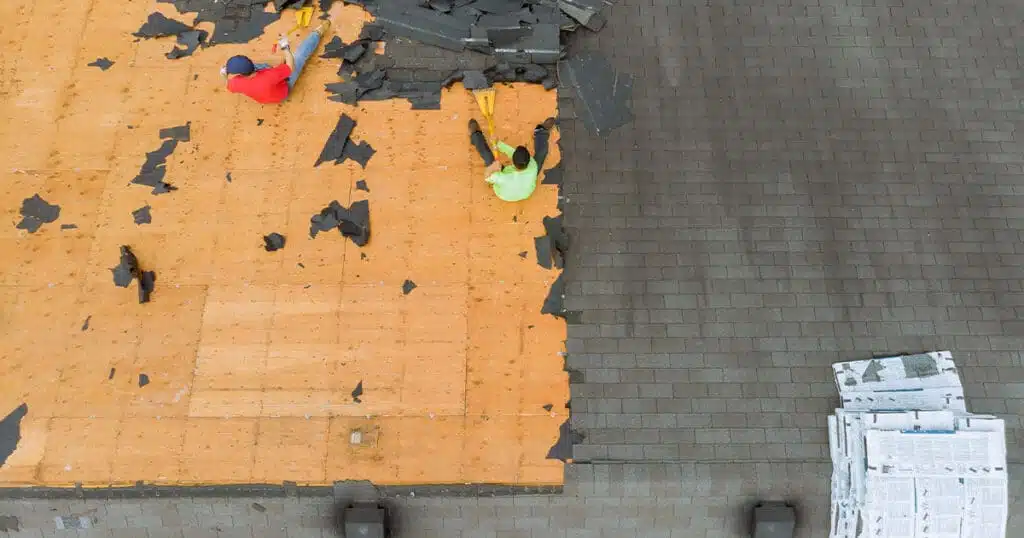
Acting quickly not only strengthens your claim but also reduces the risk of additional roof repair expenses caused by delayed action.
Storm-related damage can range from lifted shingles to severe structural issues. Understanding the claim window, the role of roof inspection, and the importance of preventative roof maintenance can help you protect both your home and your finances.
Insurance Claim Timeframes Vary
Most homeowners insurance policies require damage to be reported within a “reasonable timeframe” after the storm event. In many cases, this means days or weeks—not months. Some policies specify exact reporting windows, while others leave the timeline open to interpretation.
The key point is this: the longer you wait, the harder it becomes to prove that the damage resulted directly from the storm. Insurance companies may argue that the issue developed due to lack of roof maintenance rather than a sudden weather event.
To protect your claim eligibility, scheduling a professional roof inspection immediately after a severe storm is highly recommended.
Why Immediate Roof Inspection Matters
Storm damage is not always visible from the ground. High winds can lift shingles without tearing them off. Heavy rain can weaken flashing. Debris impact may crack tiles or create small punctures.
A professional roof inspection documents the condition of your roof shortly after the event. This documentation is essential when filing a claim for storm damage roof repair.
A thorough inspection includes:
- Shingle and surface material evaluation
- Flashing and seal checks
- Gutter and drainage assessment
- Attic moisture inspection
- Structural decking review
Professional roof leak detection may also be necessary if water intrusion is suspected. Even if no interior stains are visible, hidden moisture can exist beneath the surface.
Homeowners who respond quickly are better positioned to demonstrate that roof repair is related to a specific storm event.
The Risk of Delaying a Claim
Waiting too long to file a claim can lead to denial. Insurance companies may determine that the damage resulted from gradual deterioration, especially if no recent roof inspection records exist.
Delays can also allow minor issues to worsen. What may have started as a small leak can develop into a more extensive roof leak repair project if water intrusion continues unchecked.
In addition to increasing repair costs, delayed action may weaken your insurance case. The longer the gap between the storm and the inspection, the harder it becomes to establish a direct connection.
The Role of Preventative Roof Maintenance
Preventative roof maintenance plays an important role in insurance claims. Insurers expect homeowners to maintain their properties responsibly. Regular residential roof maintenance shows that your roof was in good condition before the storm.
Routine annual roof maintenance helps identify vulnerabilities and correct them before severe weather strikes. A roof tune up can reinforce flashing, secure exposed fasteners, and replace minor damaged shingles, reducing the likelihood of significant storm damage roof repair later.
Homeowners who follow structured guidance, such as the Preventative Roof Maintenance Guide For Solano County Homes, often have documentation that strengthens their insurance claims.
When Storm Damage Is Covered
Insurance typically covers damage that is sudden and accidental. Examples include:
- Wind tearing off shingles
- Debris puncturing the roof surface
- Hail impact causing cracks
- Severe storms creating structural compromise
In these cases, storm damage roof repair may be covered, subject to your deductible. However, leaks caused by neglected roof maintenance or aging materials are usually not covered.
Regular roof inspection reduces confusion by clearly establishing roof condition before and after storms.
What If You Discover Damage Months Later?
Sometimes homeowners discover damage weeks or months after a storm. While it may still be possible to file a claim, the success of that claim often depends on documentation.
If you suspect that a recent storm caused hidden damage, schedule roof inspection and roof leak detection immediately. The sooner you act, the better your chances of supporting your claim.
For more information about how storms impact roofing systems in the region, review Storm Damage Roof Repair In Solano County to understand how severe weather affects residential roofing.
Steps to Take After a Storm
To protect your home and your claim eligibility, follow these steps:
- Conduct a visual ground-level inspection for obvious damage.
- Schedule a professional roof inspection promptly.
- Document any visible interior water damage.
- Keep records of annual roof maintenance and roof tune up services.
- Contact your insurance provider as soon as possible if damage is confirmed.
Acting quickly minimizes additional roof repair costs and supports claim approval.
Protect Your Home Before the Next Storm
So, how long after a storm can you claim roof damage? The safest answer is as soon as possible. Most policies require prompt reporting, and delays increase the risk of denial.
Routine roof maintenance, timely roof inspection, and consistent residential roof maintenance create a strong foundation for storm preparedness. Annual roof maintenance reduces the severity of damage and ensures that minor issues are corrected before severe weather arrives.
If your home has recently experienced storm activity or if you suspect hidden damage, do not wait.
Call (707) 209-9390 today or contact California Premier Roofing by visiting the contact page to schedule a professional roof inspection and storm damage roof repair consultation. Protect your home with proactive roof maintenance and reliable roofing solutions throughout Solano County.